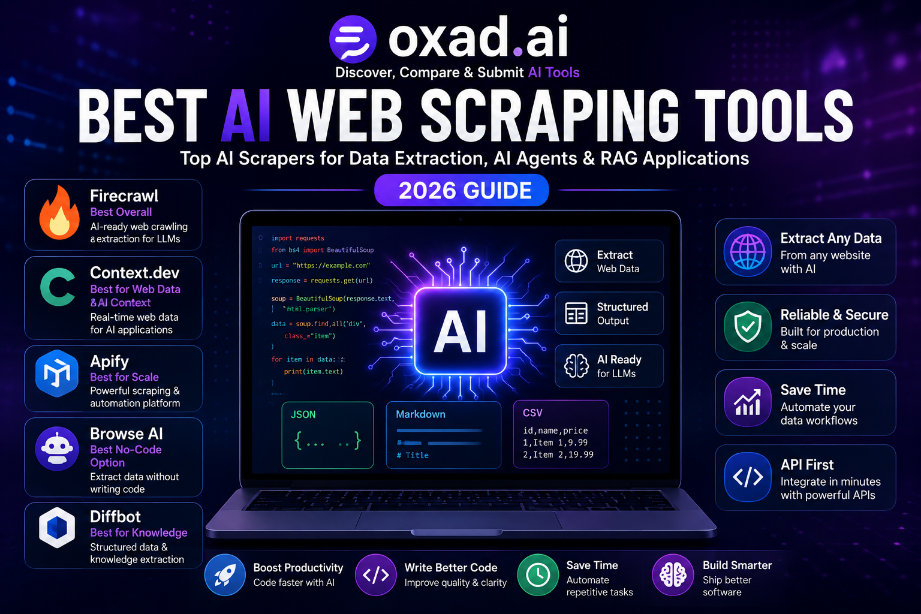
This guide compares the best AI web scraping tools in 2026 for web crawling, data extraction, AI agents, RAG applications, research, automation, and developer workflows.
Editorial Trust
Independent editorial review
Based on publicly available product information and practical workflows
No sponsored rankings
Updated for 2026
Focused on practical AI, developer, and data extraction use cases
AI web scraping has evolved far beyond traditional HTML extraction. Modern AI web scraping tools can crawl websites, extract structured information, process JavaScript-heavy pages, convert web content into formats suitable for large language models, and provide data for AI agents and retrieval-augmented generation applications.
For developers, researchers, startups, and businesses, the right AI web scraper can dramatically reduce the time required to collect and transform information from the web.
The challenge is no longer simply finding a web scraper. The important question is which AI web scraping tool provides the right combination of crawling capabilities, data quality, structured extraction, scalability, APIs, automation, and compatibility with modern AI applications.
This guide compares leading AI web scraping and data extraction tools while explaining how they can be used for AI agents, RAG systems, research, automation, and application development.
AI web scraping tools make web data more accessible to modern AI applications.
Firecrawl is a strong option for crawling and extracting web content for AI workflows.
Context.dev is useful when applications need web information and structured AI context.
AI web scraping can support AI agents, RAG systems, research, and automation.
Structured extraction can reduce the development work required to process raw web pages.
JavaScript rendering and dynamic websites remain important considerations when selecting a scraper.
API access is valuable for developers integrating web data into applications.
Responsible scraping requires attention to privacy, security, website policies, and applicable laws.
What Is AI Web Scraping?
AI web scraping is the use of artificial intelligence, modern crawling infrastructure, and automated data extraction techniques to collect useful information from websites.
Traditional web scraping often requires developers to create selectors and parsing rules for specific page structures. AI-powered approaches can make extraction more flexible by interpreting page content and returning information in a more useful format.
This is especially valuable for applications powered by large language models, because AI systems often need clean and relevant information rather than raw HTML.
Modern AI web scraping tools can help with:
Website crawling.
Web page extraction.
Structured data extraction.
JavaScript-heavy websites.
Content conversion.
Documentation extraction.
Research automation.
AI agent data retrieval.
RAG knowledge collection.
Web data APIs.
Automated monitoring.
Important:
Web scraping should be performed responsibly. Developers should consider website terms, applicable laws, robots directives where relevant, privacy requirements, rate limits, and restrictions on sensitive or copyrighted data.
How We Evaluated These AI Web Scraping Tools
We evaluate AI web scraping tools according to the requirements developers and businesses commonly encounter when building data-driven and AI-powered applications.
Evaluation Area
Why It Matters
Crawling
Reliable crawling is essential for collecting information from websites.
Data Extraction
Useful extraction reduces the need for manual data processing.
Structured Output
Structured data is easier to use in applications and AI pipelines.
JavaScript Support
Many modern websites rely heavily on client-side rendering.
API Access
APIs simplify integration with software and AI applications.
AI Compatibility
Clean content is valuable for LLMs, agents, and RAG systems.
Scalability
Large projects may require reliable crawling at higher volumes.
Developer Experience
Clear workflows and documentation reduce implementation time.
Ratings are editorial assessments based on the evaluation criteria described in this guide and should not be interpreted as official product scores.
Firecrawl Review
Firecrawl is one of the most relevant tools to consider when looking for an AI web scraper designed for modern AI development workflows.
Rather than focusing only on traditional scraping, Firecrawl is particularly useful for turning web pages and websites into content that can be consumed by AI applications.
This makes it relevant for developers building AI agents, retrieval systems, research tools, knowledge bases, and applications that need information from the web.
Why Firecrawl Stands Out
Designed around modern web crawling workflows.
Useful for AI and LLM applications.
Can help transform web content into developer-friendly formats.
Useful for extracting information from websites.
Suitable for AI agents and retrieval workflows.
Developer-focused API workflows.
Best For
AI agents
RAG applications
Web data extraction
Developer APIs
AI research applications
Web content processing
Who Should Consider Alternatives?
Users looking primarily for a visual no-code scraping workflow.
Projects requiring a highly specialized enterprise data platform.
Context.dev Review
Context.dev is another interesting option for developers working with web information, AI agents, and LLM applications.
Modern AI systems often require external context to produce useful results. Instead of relying exclusively on information already contained within a language model, developers can connect applications to external sources and retrieve relevant information when needed.
This makes web data and context infrastructure increasingly important for AI-powered applications.
Potential Use Cases
AI agents requiring external information.
LLM applications using web data.
Research and information retrieval.
Context-aware applications.
Data extraction workflows.
AI-powered search experiences.
Developer Tip: If your application needs current information from the web, combining an AI model with reliable data retrieval can be more useful than relying on model-generated answers alone.
Other AI Developer & Data Tools
AI web scraping is part of a much larger ecosystem of tools that help developers build AI-powered applications. Depending on your project, you may also need AI application builders, conversational AI platforms, or developer productivity tools.
AI Application Development
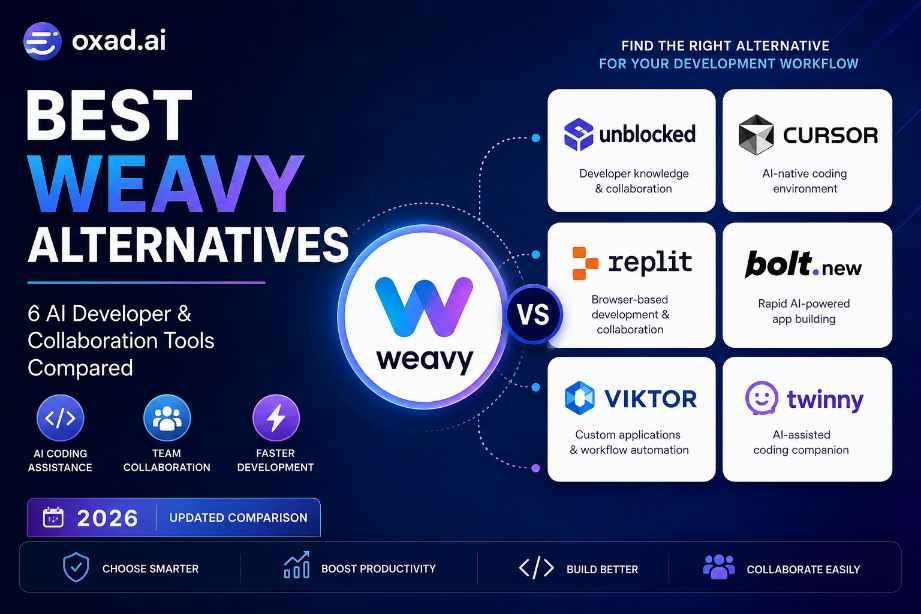
Chipp can be relevant when developers want to build AI-powered applications and experiences more efficiently.
Viktor is another tool worth considering when exploring AI-assisted application development workflows.
Weavy can also complement AI development workflows where applications require specialized AI-powered functionality.
Conversational AI
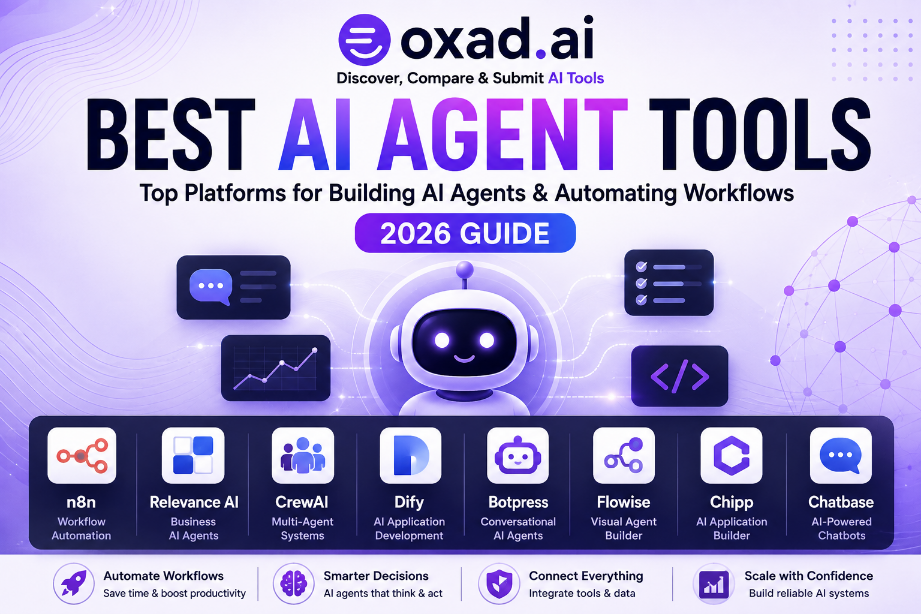
Once web data is collected, developers may want to expose that information through an AI assistant or conversational interface. Chatbase is relevant for building conversational AI experiences and AI-powered agents.
Developer Productivity
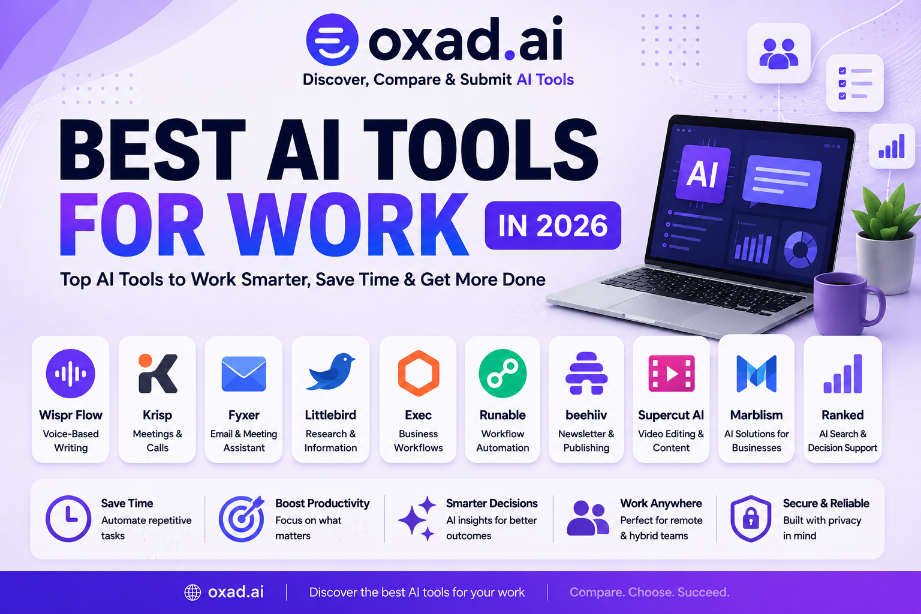
AI-assisted development also includes productivity tools. Wispr Flow can complement a developer’s workflow through voice-based interaction, particularly when developers want an alternative way to interact with their computer and applications.
These tools are not direct replacements for web scrapers. Instead, they demonstrate how web data extraction can become one component of a broader AI development stack.
AI Web Scraping for AI Agents
AI agents often need access to information that changes over time. A model may understand general concepts, but an agent performing real-world tasks can require current web information.
AI web scraping tools can provide agents with structured or processed information from websites, allowing them to retrieve relevant data during an application workflow.
Common AI Agent Workflow
The user sends a request.
The AI agent determines what information is required.
The application retrieves relevant web content.
The content is cleaned and structured.
The language model processes the retrieved context.
The agent generates a response or performs an action.
Tools such as Firecrawl and Context.dev can therefore be considered as part of the infrastructure behind applications that need external web information.
AI Web Scraping for RAG Applications
Retrieval-augmented generation, commonly called RAG, allows an AI application to retrieve external information before generating an answer.
Web scraping can be useful when the knowledge source is publicly available online and needs to be transformed into searchable content.
A Typical Web-to-RAG Pipeline
Stage
Purpose
1. Crawl
Collect relevant web pages.
2. Extract
Remove unnecessary page elements and extract useful content.
3. Clean
Prepare consistent information for processing.
4. Chunk
Divide content into useful sections.
5. Index
Store content for retrieval.
6. Retrieve
Find relevant information for a user request.
7. Generate
Use retrieved context to produce an answer.
For developers building these systems, choosing an appropriate web extraction layer can have a major impact on the quality and reliability of the final application.
AI Web Scraping vs Traditional Web Scraping
Traditional web scraping and AI web scraping solve related problems, but they approach data extraction differently.
Feature
Traditional Scraping
AI Web Scraping
Selectors
Often rule-based
Can use intelligent extraction
Page Changes
May require selector updates
Can be more adaptable
Natural Language Extraction
Limited
More suitable
LLM Integration
Requires additional processing
Often a core use case
Structured Output
Usually developer-defined
Can be generated from requested schemas
AI Agents
Requires additional infrastructure
Designed for modern AI workflows
Traditional scraping remains useful for predictable websites and highly controlled environments. AI-powered approaches become especially attractive when developers need flexible extraction and integration with LLM-based applications.
AI Web Scraping Use Cases
1. AI Research
Researchers can use web data extraction tools to collect information from multiple online sources and prepare it for analysis.
2. AI Agents
Agents can retrieve current information from websites as part of automated workflows.
3. RAG Knowledge Bases
Organizations can transform documentation and public web content into searchable sources for AI applications.
4. Market Research
Businesses can collect publicly available information to monitor products, competitors, trends, and market changes.
5. Content Monitoring
Automated crawling can help applications detect changes across selected websites.
6. AI Search
Web extraction can provide the underlying information needed for AI-powered search and question-answering systems.
7. Data Enrichment
Developers can combine extracted web information with existing datasets to create richer applications.
8. Documentation Retrieval
Developers can collect technical documentation and make it available to internal AI assistants and development workflows.
How to Choose the Best AI Web Scraping Tool
The best AI web scraper depends on your project’s technical requirements rather than a single universal ranking.
Consider these factors:
Extraction accuracy: Can the tool consistently identify useful information?
JavaScript support: Can it handle modern dynamic websites?
Structured data: Can information be returned in a predictable format?
API access: Can developers integrate the service into applications?
Scalability: Can it handle the expected crawling volume?
AI compatibility: Is the extracted content suitable for LLM workflows?
Speed: How quickly can the required information be retrieved?
Reliability: Does the service provide consistent results?
Pricing: Does the cost match your expected usage?
Compliance: Can the tool be used responsibly for your intended data?
For AI Agents
Prioritize current data access, API integration, reliable extraction, structured responses, and low-latency retrieval.
For RAG Applications
Focus on content quality, clean extraction, documentation support, crawling depth, and compatibility with your indexing pipeline.
For Research
Look for broad crawling capabilities, flexible extraction, reliable results, and workflows that make it easy to process information from multiple sources.
Security, Privacy & Compliance
Web data extraction introduces security, privacy, and compliance considerations that should not be ignored.
Before deploying a scraping workflow, consider:
Website terms and restrictions.
Applicable data protection laws.
Personal or sensitive information.
Copyright and licensing requirements.
API authentication and access control.
Rate limits and responsible crawling.
Secure storage of extracted information.
Protection of API keys and credentials.
Best Practice: Only collect the data your application actually needs, respect applicable restrictions, and implement appropriate security controls when storing or processing extracted information.
Frequently Asked Questions
What is AI web scraping?
AI web scraping uses modern crawling and intelligent extraction techniques to collect useful information from websites for applications and AI workflows.
What is the best AI web scraping tool?
Firecrawl is a strong option for developers building AI applications that require web crawling and data extraction capabilities.
What is the best AI web scraper?
The best AI web scraper depends on your requirements, but Firecrawl is particularly relevant for AI agents, RAG systems, and developer workflows.
Can AI scrape websites?
Yes. AI-powered scraping systems can crawl websites, extract relevant information, structure content, and prepare it for AI applications.
What is the best web scraping API for AI?
A suitable API should provide reliable crawling, clean extraction, structured output, scalability, and easy integration with AI applications.
Which AI tool is best for data extraction?
The best choice depends on the data source and required output. Firecrawl and Context.dev are relevant options for modern AI data workflows.
Can web scraping be used for AI agents?
Yes. Web scraping can provide AI agents with current external information that is unavailable in their immediate application context.
Can AI web scraping be used for RAG?
Yes. Web content can be extracted, cleaned, indexed, and retrieved as external context for retrieval-augmented generation systems.
Is AI web scraping better than traditional scraping?
Not always. AI scraping can provide more flexible extraction, while traditional scraping may be preferable for predictable and highly structured websites.
Is web scraping legal?
Legality depends on the website, data, jurisdiction, purpose, and applicable laws. Organizations should obtain appropriate legal guidance for sensitive or large-scale projects.
Final Verdict
The best AI web scraping tool is the one that delivers reliable, usable web data while fitting naturally into your application’s technical architecture.
For developers building AI agents, RAG systems, research applications, and data-driven software, Firecrawl stands out as a particularly relevant option because of its focus on modern web crawling and AI-oriented data workflows.
Context.dev is another useful option to explore when applications require external web information and structured context for LLM-based systems.
However, web scraping is only one component of the modern AI development stack. Tools such as Chipp, Viktor, Weavy, and Chatbase can complement data extraction by helping developers build AI applications, agents, and user-facing experiences.
🏆 Best for AI-Assisted Application Development:Viktor
Review Methodology
This article was independently prepared using publicly available product information, technical documentation, developer workflows, AI application use cases, and practical considerations for web data extraction.
Editorial rankings are not sponsored placements. Product capabilities, pricing, APIs, integrations, and availability can change over time, so readers should verify current information through the relevant provider before making purchasing decisions.
Evaluation Criteria
Web crawling capabilities
Data extraction quality
Structured output
JavaScript support
API integration
AI and LLM compatibility
Scalability
Developer experience
Pricing and value
Security and compliance considerations
Editorial Note: This article was independently researched and written for Oxad.ai. Our editorial approach focuses on practical usability, developer workflows, AI application development, data quality, and long-term value rather than sponsored rankings. Product capabilities, pricing, and integrations may change over time, so readers should verify the latest information through each provider’s official documentation before making purchasing decisions.